
Crafting experiences: FIFA World Cup 2026

The meetings and events industry is one of the most stable across the world, because, due to the nature of its services, it easily allows to transform a local event and its connections into something international. However, an event as big as this would require a longer period of organization, as well as a bigger team to get everything ready on time according to the number of expected attendees and the specifications the client needs.
During IBTM Americas 2023’s edition, José María Aldrete, Operations Subdirector of Chivas Omnilife Group joined Jurgen Mainka, Official Chief of Torneo México and presented the panel “How to organize a soccer World Cup, globally and at the destination?”
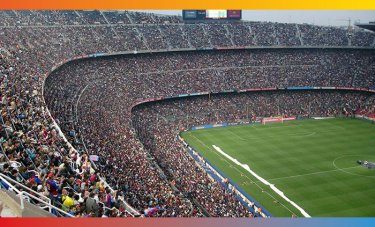
According to FIFA, during 2022’s Qatar World Cup, stadiums gathered a total of 3.4 million of attendees, with an approximate of 530,000 people at each match. However, the strongest tool for this type of events are in fact digital platforms, enhancing the event’s reach and keeping the event and the destination present in every user’s feed and mind. This also increases positioning and generates business on a scale that’s proportional to the number of digital users they’ve reached.
Going back to 2022’s Qatar example, more than 4.5 billion people watched the tournament through different forms of digital streaming. In fact, the final match itself had a total of 26 million of international viewers.
“Even when venues have a limited capacity, the event becomes a platform through digital media”, the experts assured throughout the panel. According to their experience, analyzing previous events that are similar in size is key for verifying if the destination has what the event will need. This is also the goal when you consider transportation, airport capacity, healthcare system, safety, food providers, the number of workers and many more specific details.
One of the main advantages of the World Cup in particular is the Fan Fest, which increases the social and cultural offer from the destination to the attendees by locating everything on a single place close to the main event’s venue. FIFA Fan Fest, which consists of a real festival, happens in different cities across the world and gathers the best cultural, musical and gastronomical offer from the country hosting the World Cup for all fans and their families to get together and watch every match on a big screen. It stays open as long as the World Cup lasts, which is approximately a whole month, and allows every fan to get together with other attendees with common interests besides sports.
For tourists, “the experience begins as soon as they start their way to the venue”, which makes it very important to know the neighborhood in order to prepare an amazing experience for the visitors that are about to arrive. Also, it’s very important to work with the team to find the perfect balance between the event or brand’s marketing and the cultural offer from the destination.
One of the most important issues, according to Jurgen Mainka, is to remember “the competitions always stay inside the field”. Once outside the stadium, all the attendees share the same passion that let them travel across the world just to enjoy their favorite sport in a very special situation. That’s why it’s necessary to organize every step through this perspective, so you can guarantee the best results. Undoubtedly, this can become a challenge for the event organizers, but it also offers a great advantage, because shared interests and the feeling of belonging to a group are usually a great strategy to create a bond and to transform a plain event into the unforgettable experience the client is looking for.
If you want to know more about what we learned at IBTM Americas 2023 and the incredible experts who held our conference program, you can’t miss the new articles in our blog and the most recent updates at our social media profiles: Facebook, Instagram y LinkedIn.