
Digital Interactions: A Strategy to Enhance Your Event’s Experience
Digital Interactions: A Strategy to Enhance Your Event’s Experience

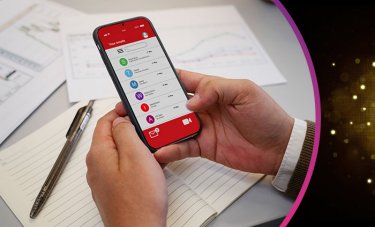
After the peak of hybrid and virtual events, many event professionals were eager to return to in-person gatherings. However, the economic, reach, and sustainability advantages of these alternatives presented a series of benefits for the industry, leading to innovations that brought the benefits of technology to in-person settings, bringing virtual interactions to life.
These interactions enhance the user experience since the moment they’ve registered their attendance and up until the event ends. Some of them were created mainly to provide information or keep necessary data at hand. However, many others are designed to entertain and provide personalized attention to each attendee. The most popular digital interactions for events are:
- Event Apps
These are one of the most popular experiences, because event apps allow users to access information about the event from anywhere, anytime. Through to this technology, attendees can access interactive maps, FAQs, registration information, conference schedules, and even your brand's social media with just a few clicks.
The main advantage of this tool is its adaptability to any event, no matter how big or small or if it’s virtual or hybrid. Additionally, it contributes to the sustainable development of events as it can replace most printed materials, reducing waste and thus, pollution.
- Virtual Reality and AR
Many industries have opted for Virtual Reality to showcase product prototypes that are difficult to transport or that, being still in development, have certain security risks. This initiative reduces costs and allows users to interact more freely due to the lower probability of an incidient.
This technology also presents a great opportunity to place details or easter eggs within the venue for visitors to find, adding an extra layer to the experience. Depending on the type of event, virtual tours or other digital activities related to the event's content can also be programmed.
- Digital Information Centers
Digital information centers placed throughout the venue are useful to optimize the process of answering frequently asked questions, leaving staff time and attention available for specific or more complex situations. Additionally, if you connect this tool with others like mobile apps or virtual reality, you can create unique experiences that users can share on social media.
- Gamification
Some exhibitions and conferences have been promoting the popularity of treasure hunt-like activities in virtual mode, creating a map of elements (virtual or tangible) that visitors can find to discover new exhibitors or products. This experience not only combines the best of virtual and in-person events but is also an excellent way to boost brand or product positioning.
- Digital Access
QR codes and tickets can be replaced by credentials or wristbands with RFID. These elements optimize logistics and keep a record of attendees, their participation, and other details for statistical purposes in the post-event report.
Additionally, through these wearables, it becomes easier to record participations with personalized information that could be used later to offer a more personalized experience.
While the advantages of AI, automation, and technology in general for organizing events are well known, we also have the possibility to enhance the experience from the user's perspective. This way, working together, events will reach a new era where technology facilitates connections and creates new opportunities.
If you want to learn more about how technological innovations have adapted to events, we invite you to attend the Event Design Conferences program, available during IBTM Americas 2024 on August 21st and 22nd at Centro Citibanamex. Complete your registration here and don't miss our updates through our blog and social media: Facebook, Instagram y LinkedIn.